







The 13 billion dollar secret: how Warren Buffett and top investors use real estate to legally outsmart the taxman
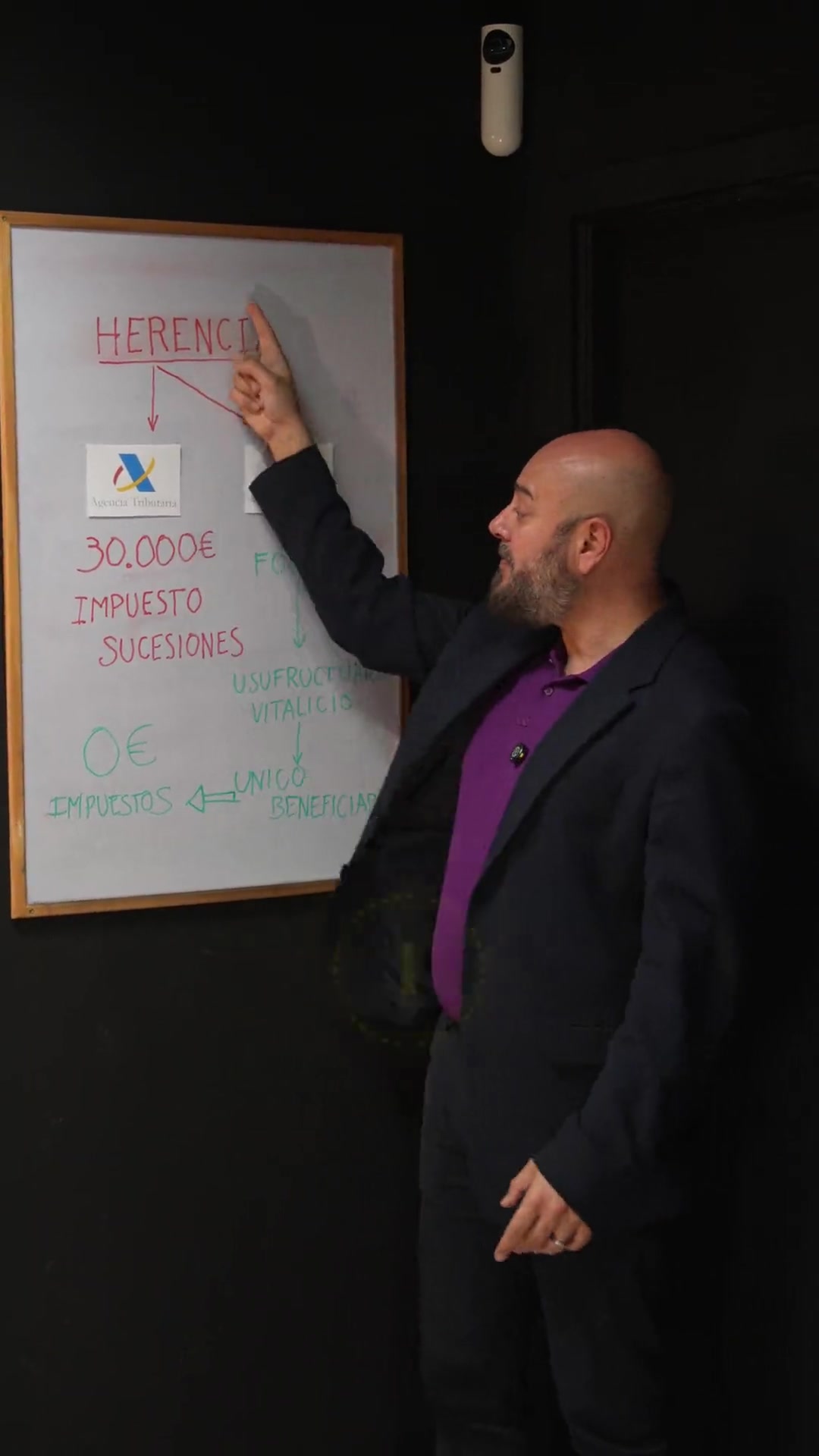
Have you ever wondered how one of the richest people in the world can pay, proportionally, less tax than his secretary? It's not magic, and it's not illegal either. It's asset strategy. Warren Buffett generates more than 13 billion dollars a year, yet his tax bill bears no relation to that astronomical figure.
The secret lies in how he distributes his wealth and, above all, in how he uses real estate as a protective shield.
The three pillars of wealth: stocks, businesses, and bricks
People with large fortunes, like the "Oracle of Omaha," don't keep their money under the mattress or let it sit idle in a bank account. They divide their capital into three main channels:
- The stock market (equities): They buy shares in major companies but — and here's the key — they rarely sell. By not selling, the gain is latent but not taxable. Compound interest works for free while the taxman waits for a sale that never comes. - Their own businesses: They create structures that generate daily cash flow. A tap that never turns off and that allows you to deduct operating expenses before calculating net profit. - Real estate (the safe-haven asset): This is where Buffett and major investors convert paper money into tangible assets. Houses, buildings, and land.
Why is real estate the favorite asset of the wealthy?
Even someone who earns more than they could spend in a hundred lifetimes keeps investing in bricks. The reason is simple: tax efficiency.
When you buy a property, you're converting cash into an asset. While that property is rented out, the law (both in the US and Spain) allows you to deduct almost all expenses: maintenance, insurance, repairs, and even the depreciation of the building. This makes it look, on paper, as if you earn less than you actually take in, drastically reducing your tax bill.
The ultimate move: reinvesting profits
The biggest advantage comes at the point of sale. If you sell a stock, you pay tax immediately. But in real estate, there's the concept of tax deferral. If you sell a property and reinvest that gain into another real estate asset, the taxman is left standing on the sidelines.
In Spain, for example, there are reinvestment benefits for primary residence sales for those over 65, or investment structures (like SOCIMIs on a larger scale) that allow capital to keep growing without being devoured by taxes at every step.
From Omaha to Marina Alta: the strategy has no scale limit
Many people make the mistake of thinking: *"Well, that's for Warren Buffett — I don't have 13 billion."*
Wrong. The strategy is exactly the same; the only thing that changes is the number of zeros. You don't need a skyscraper in New York to get started. You can replicate this model with a finca or an apartment in Marina Alta.
Buying in areas with high demand and growth potential, like the Mediterranean coast, lets you play by the same rules: generate recurring income, deduct expenses, and in the long run, protect your wealth against inflation and tax pressure.
The "depreciation formula"
In the video I mentioned that they "deduct almost all expenses," but there's one expense that costs you no money and is the most powerful of all: depreciation.
In Spain, you can deduct 3% of the construction value of the property each year on your tax return (if it's rented out). It's a "phantom expense" because the money doesn't come out of your pocket, but it allows you to legally reduce your taxable income.
It's the favorite tool of smart investors to make rental income, in practice, virtually tax-free.
Frequently asked questions
Is it better to invest in stocks or property to pay less tax?
Both have advantages, but real estate offers more direct deductions (management costs, property tax, repairs) and the ability to use bank leverage (mortgages) to increase your returns.
Which areas are profitable right now in Spain?
Areas with sustainable tourism and an established remote-working community, like Marina Alta (Denia, Jávea, Moraira), remain safe havens thanks to their balance between quality of life and rental yield.
How can I get started if I don't have much capital?
The first step is saving for the deposit (20-30%) and looking for assets in areas with high rental turnover. The key is not how much you have, but when you start converting savings into assets.